Brain Jar Games Sets Release Date for Rhythm-Combat Hybrid 'Dead as Disco'
The indie developer's ambitious fusion of music mechanics and beat 'em up gameplay enters a crowded market with a bold neon aesthetic and unconventional approach.
AlphAgentic Admin
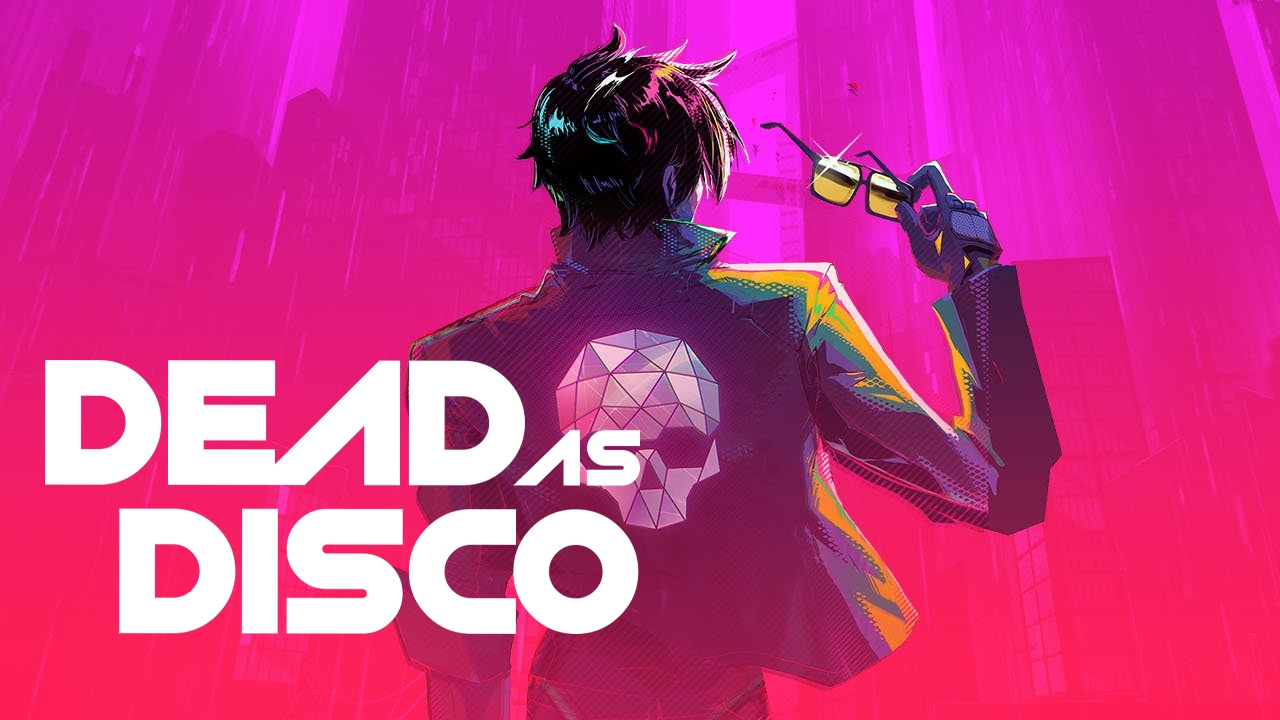
The gaming industry's ongoing fascination with genre hybridization finds its latest expression in Brain Jar Games' upcoming title, which promises to merge rhythmic gameplay with traditional combat mechanics. The developer has confirmed a release window that positions the game strategically within the competitive indie landscape.
The Evolution of Music-Gaming Integration
Interactive entertainment has witnessed a steady progression in how developers integrate musical elements into core gameplay loops. While rhythm games traditionally confined players to predetermined sequences, modern iterations increasingly blend musical timing with player agency across diverse genres. This approach reflects broader industry trends toward mechanical complexity and cross-pollination between established categories.
Brain Jar Games' approach represents a calculated risk in this evolving space. By anchoring combat effectiveness to musical timing, the studio challenges conventional wisdom about accessibility versus depth—a tension that has defined rhythm gaming since its mainstream emergence.
Market Positioning and Competitive Landscape
The timing of this release carries strategic implications beyond mere calendar positioning. The indie gaming sector has experienced unprecedented growth, with rhythm-based titles capturing significant market share through platforms that reward innovation over production budgets. However, this success has intensified competition for developer mindshare and consumer attention.
The visual presentation—characterized by vibrant neon aesthetics and kinetic energy—suggests deliberate positioning within the broader synthwave revival that has influenced everything from film soundtracks to automotive design. This cultural alignment could prove crucial for organic marketing amplification through social media channels where visual distinctiveness drives engagement.
Technical Innovation in Rhythm Combat
The fundamental challenge facing any music-combat hybrid lies in reconciling two distinct input paradigms: the precision timing demanded by rhythm games and the spatial awareness required for effective combat. Traditional beat 'em up titles rely on visual cues and muscle memory, while rhythm games prioritize auditory processing and temporal accuracy.
Successful integration requires sophisticated audio engineering and responsive feedback systems that communicate timing, positioning, and combat effectiveness simultaneously. The technical complexity increases exponentially when accounting for varying player skill levels and accessibility requirements across both mechanical domains.
Industry Implications and Future Trajectories
This release arrives during a period of significant transformation within interactive entertainment development. Independent studios increasingly compete not just with established publishers, but with an expanding ecosystem of content creators across multiple platforms. Success depends on generating sufficient momentum to break through algorithmic noise and capture sustained audience engagement.
The broader implications extend beyond individual title performance. Genre experimentation at the indie level often serves as a testing ground for mechanics that eventually influence mainstream production. If rhythm-combat integration proves commercially viable, larger studios may incorporate similar approaches into higher-budget productions.
Commercial Viability and Risk Assessment
Market analysis suggests cautious optimism for innovative genre combinations, particularly when executed with distinctive visual presentation and cohesive thematic integration. However, the dual learning curve imposed by rhythm-combat mechanics could limit mainstream adoption while potentially creating strong engagement within niche communities.
The near-term release window places the title within a competitive seasonal bracket but avoids direct confrontation with major studio releases. This positioning reflects strategic awareness of market dynamics and resource allocation realities facing independent developers.
Brain Jar Games faces the fundamental challenge of converting conceptual novelty into sustained gameplay engagement. While initial curiosity may drive early adoption, long-term success depends on mechanical depth and content longevity that justify the cognitive investment required to master dual-genre systems.
The gaming industry's trajectory toward increased genre fluidity suggests receptive market conditions for experimental approaches. Whether this particular combination achieves commercial success will likely influence subsequent development decisions across the independent gaming sector.