Castlevania Returns After 14-Year Hiatus: What Gaming's Comeback Means for Tech
Konami's revival of Castlevania after more than a decade signals broader entertainment industry trends toward nostalgic IP and automated content production.
AlphAgentic Admin
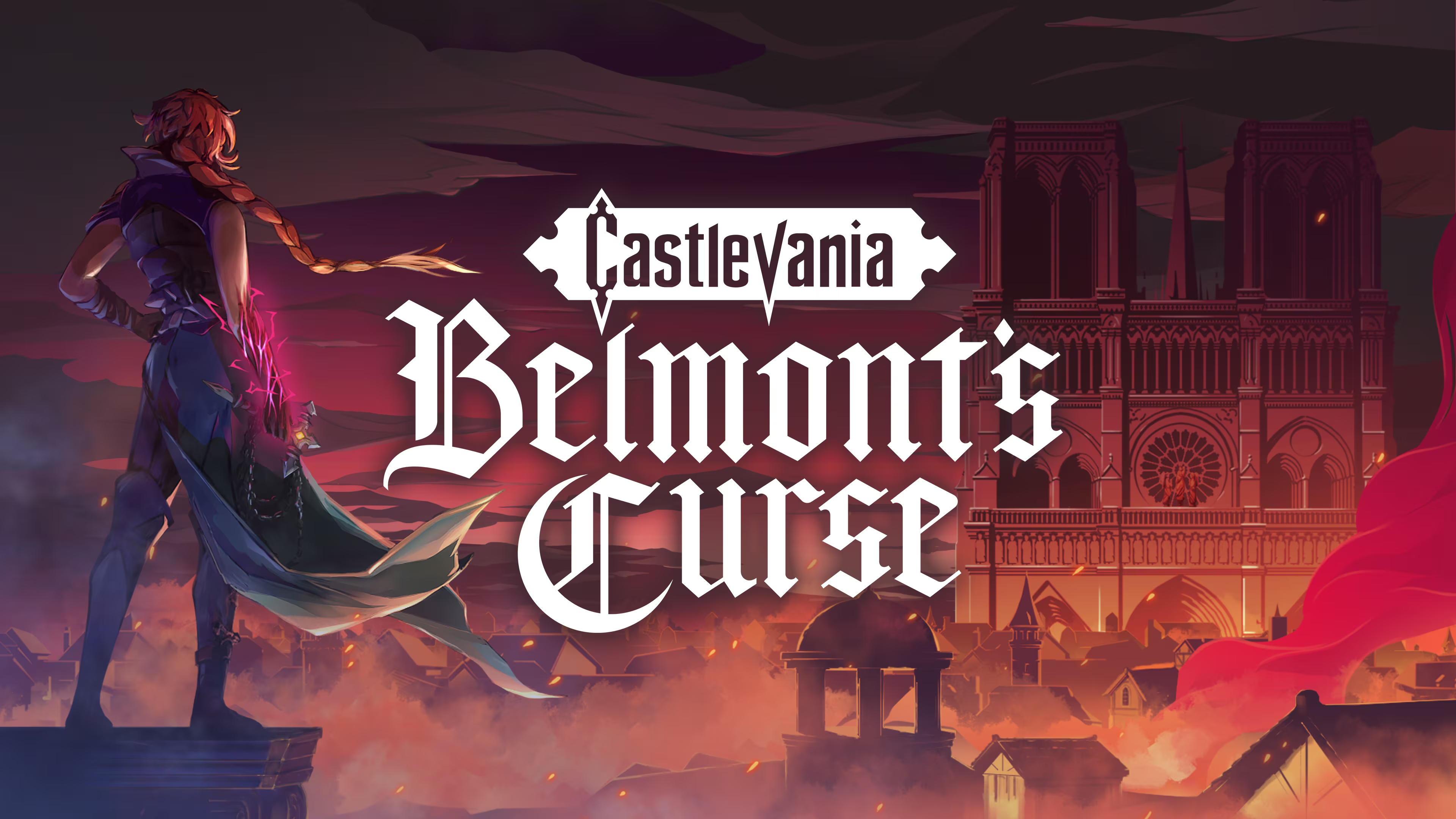
After a 14-year drought that left franchise loyalists questioning whether the legendary vampire-hunting series was permanently shelved, Konami's announcement of Castlevania: Belmont's Curse represents more than just another gaming sequel. The title's 2026 release window marks a strategic pivot that illuminates broader entertainment industry dynamics and the technological infrastructure enabling modern content revival.
The Economics of Franchise Resurrection
The gap since Lords of Shadow 2 wasn't merely creative dormancy—it reflected fundamental shifts in how entertainment companies evaluate intellectual property portfolios. Konami's decision to resurrect Castlevania now suggests sophisticated data analytics identified optimal market conditions for franchise reactivation. The trailer's emphasis on classic whip-based combat mechanics alongside French architectural settings indicates careful audience research balancing nostalgia with fresh visual storytelling.
This calculated approach mirrors how enterprises today leverage historical data to identify dormant opportunities. Organizations increasingly deploy automated analysis to surface previously overlooked assets, whether that's unused software licenses, underperforming content libraries, or inactive customer segments ripe for re-engagement.
Production Automation Behind Modern Gaming
Contemporary game development relies heavily on automated pipeline management, from asset generation to localization workflows. Castlevania's revival likely benefits from advanced procedural generation tools, automated quality assurance systems, and streamlined deployment processes that didn't exist during the Lords of Shadow era.
The sophisticated visual fidelity showcased in early footage demonstrates how modern development studios integrate multiple automated systems—rendering farms, asset optimization algorithms, and real-time collaboration platforms—to accelerate production timelines while maintaining quality standards.
Businesses facing similar operational complexity can explore intelligent workflow automation solutions that orchestrate multi-step processes, ensuring consistent output quality while reducing manual oversight requirements.
Content Strategy in the Attention Economy
Castlevania's French setting represents shrewd market positioning, potentially targeting European audiences while differentiating from the series' traditional Gothic Eastern European aesthetic. This geographic pivot suggests data-driven insights into regional gaming preferences and tourism industry crossover opportunities.
The entertainment industry's increasing reliance on audience analytics parallels enterprise marketing evolution. Modern content strategies depend on unified data platforms that aggregate viewer behavior, demographic trends, and engagement patterns to inform creative decisions.
Platform Distribution and Revenue Optimization
Unlike 2014's gaming landscape, today's distribution ecosystem offers unprecedented monetization flexibility. Castlevania's 2026 launch will likely span multiple platforms simultaneously, supported by cloud gaming infrastructure that enables broader audience reach without traditional hardware limitations.
This multi-channel approach reflects broader digital transformation principles: organizations succeed by maintaining platform agnosticism while optimizing for specific channel characteristics. The gaming industry's evolution toward service-based models, downloadable content, and community-driven features demonstrates how traditional product companies adapt to subscription economy dynamics.
Technical Infrastructure Implications
Modern game launches require sophisticated backend systems managing user authentication, progress synchronization, multiplayer connectivity, and real-time analytics. Castlevania's development team undoubtedly integrates cloud-native architectures that automatically scale based on player demand while maintaining consistent performance across geographic regions.
Enterprise organizations facing similar scalability challenges benefit from unified platforms that handle data synchronization, user management, and performance monitoring without requiring extensive technical expertise. The gaming industry's infrastructure evolution offers valuable lessons for any business managing complex user interactions at scale.
Future Implications
Castlevania's resurrection signals broader entertainment industry confidence in nostalgic intellectual property, suggesting other dormant franchises may receive similar treatment. This trend creates opportunities for technology providers specializing in content management, automated production workflows, and audience analytics platforms.
The 2026 timeline also indicates realistic development schedules that account for modern quality expectations and complex technical requirements. Organizations planning digital transformation initiatives can apply similar principles: allowing sufficient time for proper system integration while maintaining stakeholder engagement through regular progress communication.
As gaming companies demonstrate increasingly sophisticated approaches to franchise management and audience engagement, other industries can extract valuable insights about leveraging historical assets, implementing automated production systems, and optimizing multi-platform distribution strategies.