Maritime Crisis: Why the Strait of Hormuz Remains Closed to Commercial Traffic
Despite diplomatic progress, the world's most critical shipping lane stays shuttered. Enterprise leaders must prepare for sustained supply chain disruption.
AlphAgentic Admin
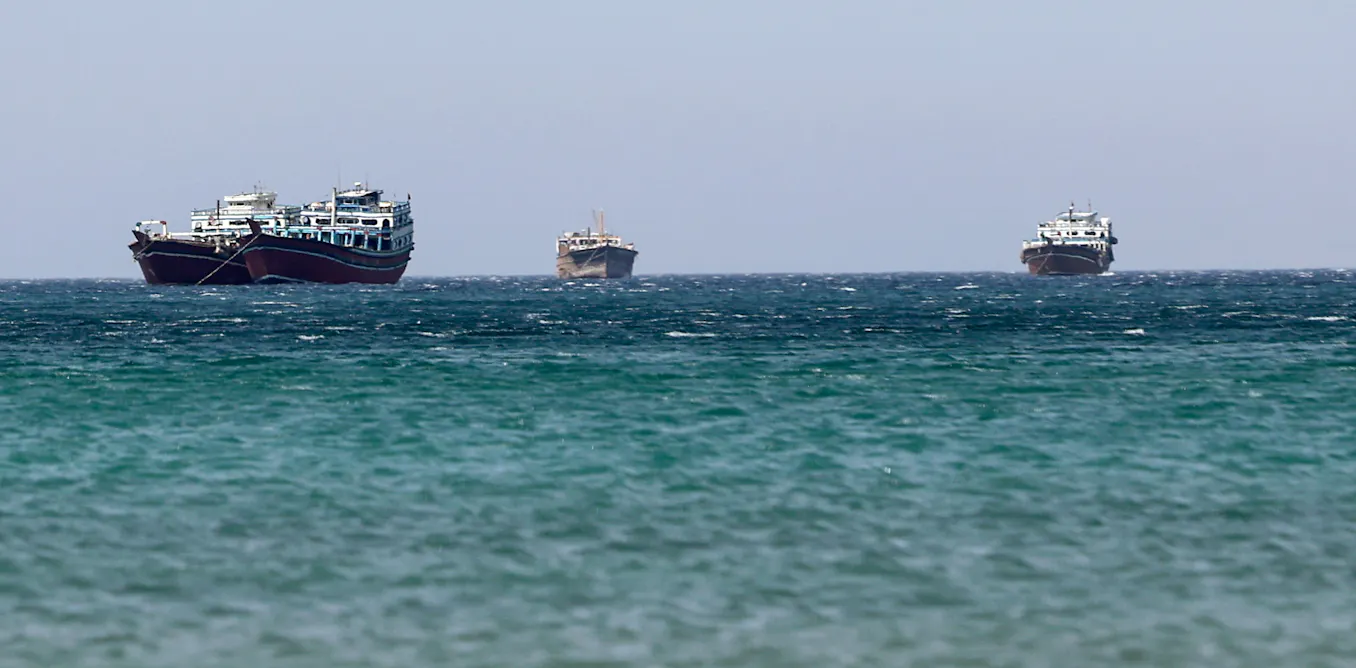
The diplomatic handshakes may have made headlines, but the economic reality remains stark: commercial vessels are still avoiding the Strait of Hormuz, leaving global supply chains in a precarious state. While recent ceasefire agreements between major powers offered hope for reopening this critical maritime corridor, the path forward requires far more than political posturing.
The stakes couldn't be higher. This narrow waterway handles roughly 21% of global petroleum liquids transit, making it arguably the world's most strategically important shipping lane. Yet weeks after diplomatic breakthroughs, commercial operators remain reluctant to risk their vessels and cargo through these contested waters.
The Insurance Problem That Diplomacy Can't Solve
The primary obstacle isn't military—it's actuarial. Insurance companies, operating on risk models that factor in potential losses worth billions, haven't adjusted their threat assessments despite political agreements. War risk premiums for vessels transiting the strait remain prohibitively expensive, often exceeding the profit margins of the cargo itself.
Lloyd's of London and other major maritime insurers are demanding concrete evidence of sustained security before revising their policies. This creates a catch-22: shipping companies need insurance rate reductions to justify transit, but insurers need proof of safe passage to lower rates. Without commercial traffic to demonstrate safety, the impasse continues.
Technology Gaps in Maritime Security
Modern shipping relies heavily on predictive analytics and real-time threat assessment, yet the current crisis has exposed critical gaps in maritime security infrastructure. Traditional monitoring systems weren't designed to handle the complex, multi-vector threats now present in the region.
Smart logistics companies are already investing in advanced monitoring and risk assessment capabilities. AI-powered automation platforms can process vast amounts of geopolitical, weather, and security data to provide real-time routing recommendations, helping enterprises navigate supply chain disruptions more effectively.
The Ripple Effects Across Enterprise Operations
The shipping slowdown is forcing a fundamental rethink of global supply chain architecture. Companies that historically relied on just-in-time delivery models are scrambling to build buffer inventory and identify alternative sourcing strategies.
Energy-intensive industries face the most immediate pressure. Petrochemical companies, already operating on thin margins, are seeing transportation costs surge as vessels take longer routes around Africa's Cape of Good Hope. This 3,500-mile detour adds roughly two weeks to delivery times and substantially increases fuel consumption.
Manufacturing enterprises are discovering that their supply chain visibility tools weren't built for this level of disruption. Many are finding gaps in their ability to track shipments taking alternative routes, creating blind spots that complicate production planning and customer communications.
Building Resilient Operations for an Uncertain Future
Forward-thinking enterprises aren't just waiting for the strait to reopen—they're using this crisis as a catalyst for supply chain modernization. The most successful companies are implementing comprehensive visibility platforms that can adapt to changing routes and provide accurate delivery predictions regardless of geopolitical circumstances.
The current situation underscores the critical importance of supply chain diversification. Companies overly dependent on single shipping routes or suppliers are experiencing the most severe disruptions. Those with distributed supply networks and flexible logistics partnerships are weathering the crisis more effectively.
The Path Forward
Reopening the Strait of Hormuz to commercial traffic will require a coordinated effort extending far beyond current diplomatic initiatives. International maritime organizations need to establish clear security protocols, insurance companies must develop new risk assessment frameworks, and shipping companies require guarantees that go beyond political promises.
The timeline remains uncertain, but industry experts suggest that meaningful commercial traffic resumption could take months rather than weeks. Even optimistic scenarios assume a gradual ramp-up as early adopters test the waters and demonstrate safe passage to more risk-averse operators.
For enterprise leaders, the lesson is clear: supply chain resilience isn't just about having backup plans—it's about building adaptive systems that can respond dynamically to unexpected disruptions. Companies that invest now in advanced logistics capabilities and supply chain intelligence will emerge from this crisis stronger and more competitive.
The Strait of Hormuz will eventually reopen to commercial shipping, but the enterprises that thrive will be those that used this disruption as an opportunity to build more robust, intelligent, and adaptable operations.